Europe Bends but Doesn't Break
Hello dear Wanderers,
ℹ️
Yesterday was marked in red in a lot of automotive executive agenda's! The European Commission was due to present its legislative package for the automotive industry. You can find plenty of articles with very different, sometimes opposing, views. I assume some of you are expecting my take on things, so here it goes.
💡
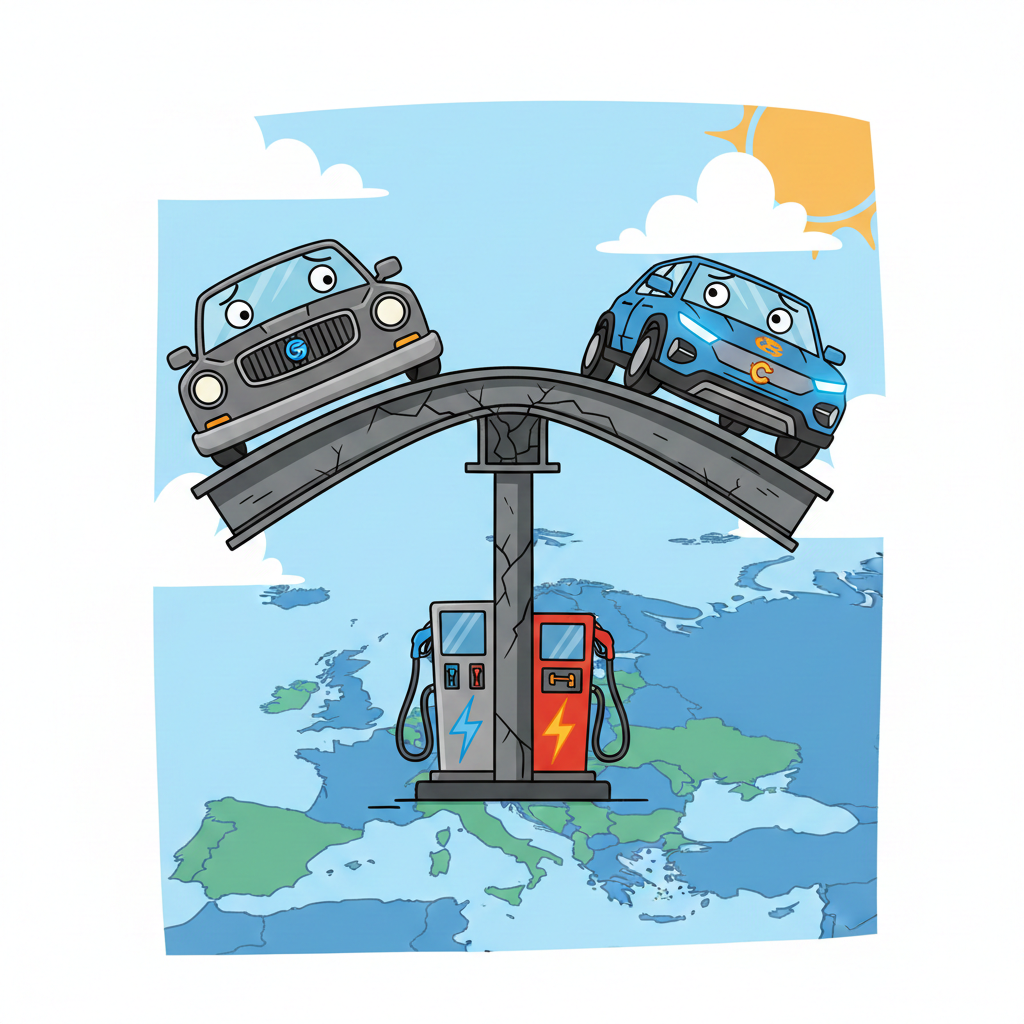
Let's start with the 2035 target that got killed. Europe will no longer be targeting full zero emission new car sales and will introduce a new bar to cross (or go under): 90% of 2021 emissions. This translates into 11 grams per km on average. While I understand the disappointment of the environmental lobbies, we have to be realistic here. I see these new rules allowing some very specific segments to continue using combustion engines but they will quickly become fringe affairs. On the one hand there are the cars that bring in the margin while also spewing out the most co2. The rules will allow the premium manufacturers to continue building niche cars for the wealthy. Especially as the 10% allowance will come with some expensive compensation measures like using green EU steel which will push up the price. You want to have the pleasure of driving a roaring sports car or SUV? You better hope 25 to 30 of us are happy getting better performance for a fraction of the investment. On the other hand there is a big chance that electric platform based, so called EREVs, get a fighting chance to have some commercial success. Packed with a big battery and a range extending engine they will provide the no regrets solution for those too scared to make the jump. I do have to see how many will be willing to cough up the potential extra investment and running costs though. Lots of folks are loud opponents of EVs until they turn out to be the cheapest option, something that is fast approaching. So no, I'm not getting all riled up with these proposals. For the general market direction, it's a non-event.
💡
Much more important than some marginal target tweaks to the total co2 emissions, is the introduction of specific targets for corporate fleets. Depending on the nation big corporations will have to hit zero emission percentages by 2035. In richer countries that already have serious penetration rates of EVs, we can expect the target to be close to 100%. In others the bar will be put quite a bit lower. We all know where the Commission got their inspiration for this one. They just had to look outside their office in Brussels to see how fast the right fiscal incentives can push companies to go electric. Belgium has catapulted itself from also-ran to leader on EV in record time. It's hard to imagine that the new rules only went into effect in July of 2023. Given that big fleets make up a huge number of the newly registered cars and that they run a much higher mileage, I can understand the reasoning of the Commission to pull this lever. What they do seem to forget is that the lack of interest in EV in the general market hurts residual values for second hand cars and this will push up the price for company cars. With the current crop of new EVs we are beginning to hit the trifecta of fantastic range and charging specs, stable or even sinking prices and unexpectedly strong durability of batteries. But it will take time for the second hand market to gain maturity and interesting pricing levels. In the meantime no one wants to be left holding the hot potato and "risk-off" thinking will dominate, driving up costs. Politicians might not want to formulate it this way, but in a sense they are asking big corporations to pay up and sponsor the transition. I would much rather have seen them implement the lessons learned from the energy markets here. Create a system where the downside risk is covered by the government in exchange for a cut in the profits if residuals turn out to be better than expected.
💡
You all know that I'm a glass half full guy, so let's close out with some positive news. Europe will be supporting the segment of the smallest electric cars with a mix of relaxed technical hurdles and supercredit incentives where manufacturers will be able to make small cars count much heavier towards their emissions targets. I truly like this concentrated push as shopping for a set of wheels in the cheapest regions of the market is no walk in the park. Successive waves of regulations on safety and environment have basically wiped out the potential for making money with the well known results: no offering. I truly hope these measures can bring a renewed competition for entry level city cars. Not just for new cars but especially for their subsequent lives with new owners down the road. Do we want all of Europe to drive electric in 2040? Even single parents, students or the retired? Make sure you have plenty of competitive small cars in the market in the next 5 years as they will continue to have an impact many years into the future.
🔗
As always Electrive has a great overview of the proposals that are on the table. Also with the important reminder that all of this still has major hurdles to pass to get turned into binding law. Probably the reason why the language in so many articles is so fierce, the lobbying is still in full swing.
Grtz
Pieter
PS: If you think this newsletter could interest someone you know, please forward this email. They can sign up for free on this link.