E20: Mind the Expiration Date!
Hello dear readers,
ℹ️
In our quest to limit emissions the increased use of biofuels is being tested. We already know the E5 and E10 versions which contain up to 10% of bio products. The jump to E20 is in full preparation with tests in Germany.
💡
I can already hear the moaning of some consumers out there. Another example of European overreach! Isn't it bad enough that electric cars are being shoved down our throat? They would be smart to pay attention though, as another piece of European legislation that is flying below the radar of many consumers is only 18 months away. ETS2, the carbon trading system, will take effect on the first of January 2028 and could increase the cost of fossil fuels substantially. That would make fuels with a higher bio content more interesting from a financial perspective, as they are exempt. And we all know that the quickest way to expose the resolve of someone's convictions is through the wallet.
💡
Before you start counting your savings there are a few elements to keep in mind! First of all not all engines are or will be ready for the new E20 fuel. Most manufacturers have communicated that their modern lineup is ready for the next step. For specific vehicles that is definitely not the case though! The VW Golf R and GTI for example cannot deal with the change in composition as there could be damage to the aluminum parts of the fuel pump under high pressure and temperature. Check before you take the jump! Even drivers of vehicles that can easily swallow the high bio content fuel should carefully make their business case. The lower energy content of the fuels has a direct effect on the distance you can travel on one liter. Consumption is expected to be a couple of percentages higher than standard fuels.
💡
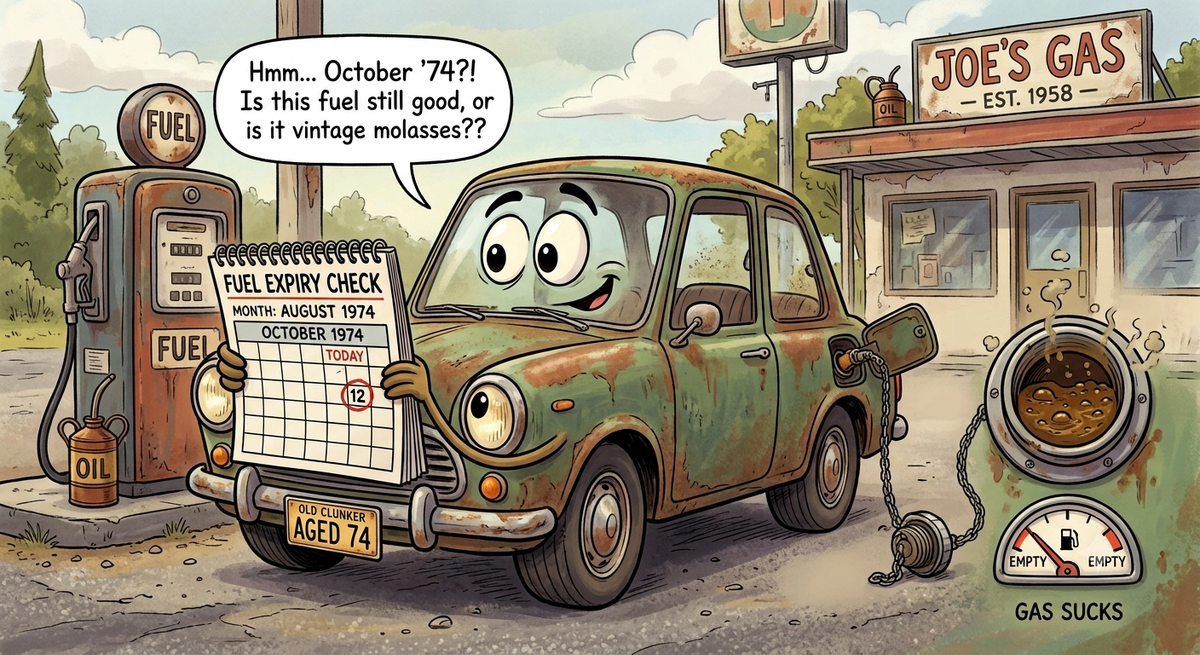
Finally there is a specific danger linked to all biofuels, they degrade faster than pure fossil fuels. Given that they pull more moisture out of the air there is a higher risk of oxidation and microbial growth. This poses absolutely no issue for normal users of combustion engines. Even with low or moderate use of your car you will fill up the tank at least every few months before the problem sets in. If you are one of those drivers who has difficulty letting go of your wheels even though your use is limited to the weekly 2 kilometer run to the store, you should pay attention. Given the very low consumption and corresponding "old" fuel in your tank, you should make sure you fill up your car with a bit of fuel instead of going for the full tank. Or just stick to the traditional dinosaur gue. There is also a relatively new breed of users that should pay attention to this challenge. The drivers of EREVs or PHEVs with a nice big battery. If your electric drive-train covers most of your daily needs and you only use the combustion engine on the yearly holiday trip, it could very well be you are at risk. For most manufacturers the car is smart enough to "babysit" the engine and make sure it runs often enough to avoid issues. So if your plugin vehicle all of the sudden decides to burn through most of its fuel even when you have a full battery, you know it's not malfunctioning, it has just detected that you fueled up too long ago and it decides your fuel needs a refresh. If you are in this case you are better not to fill up the tank completely until that long trip arrives.
Grtz
Pieter
PS: As always, if you like what you are reading above, don't be shy and share. Signing up can easily be done on the link below.